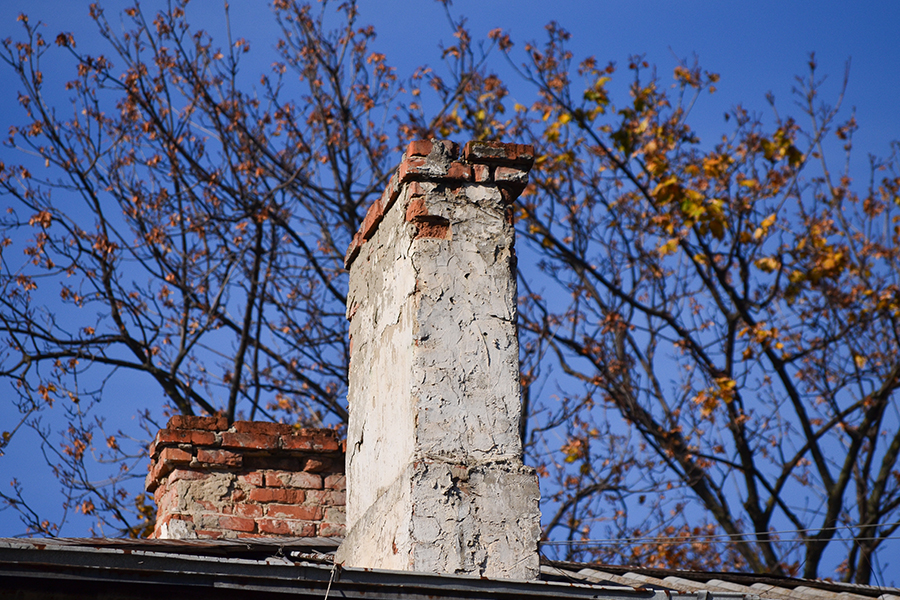
A chimney may look strong from the outside, but over time, it can develop cracks that compromise both safety and structure. Many homeowners ignore small chimney cracks, assuming they are minor flaws only. These small cracks can grow into serious problems if you don’t consider Chimney Repair on Long Island.
Understanding the common chimney crack issues, their causes & the risks involved can help you protect your home and prevent expensive repairs.
These are the environmental factors that your chimney deals with;
Over time, these factors weaken materials like brick, mortar, and concrete. Once cracks form, moisture can seep in and accelerate the damage.
The chimney crown sits at the top. Its job is to protect the chimney from the rainwater.
But here’s the thing — chimney crowns can get negatively affected by direct sun, rainstorms, ice, wind, etc.Over time, you might notice small fractures forming across that concrete surface.
Common reasons crowns crack:
And those tiny cracks? They might look harmless, but they’re not. Water slips in, freezes, expands, and the crown starts crumbling. Eventually, chunks can break off.
Warning signs you might notice:
It’s strange how something so small can turn into major structural decay.
Mortar is the glue holding your chimney bricks together. And mortar ages faster than brick. After years of exposure, it starts to:
This is where “tuckpointing” comes in — a fancy word for repairing those joints. When mortar deteriorates, bricks loosen. Once bricks loosen, the whole structure becomes vulnerable.
And here’s where things get expensive.
Ignoring crumbling mortar doesn’t mean it stays small. It means water gets deeper. Damage spreads. Repair costs increase.
If you ever see powdery debris around your chimney or notice little gaps between bricks, don’t ignore it. That’s when you should consider getting Chimney Repair Service on Long Island.
Now we’re getting serious. Vertical cracks running up or down the chimney body often signal structural movement. That could mean:
All houses settle over time. That’s normal. But when cracks grow wider, or bricks start separating? That’s when you pause.Look for:
A leaning chimney isn’t just an eyesore. It’s a safety concern. Structural cracks should never be brushed off as “probably fine.” Because sometimes they’re not.
If vertical cracks are concerning, horizontal cracks are louder alarms. These usually suggest significant stress or load problems.They can happen due to;
Horizontal cracks weaken the chimney’s ability to support itself. And if left untreated, they can lead to partial collapse. It sounds dramatic. But gravity is undefeated.
When you see horizontal splitting in masonry, that’s not something to Google and forget about. That’s something to address quickly and get Chimney Repair on Long Island.
Here’s where things get sneaky. Inside your chimney is something called a flue liner. Most homeowners never see it. And that’s exactly why it’s often ignored.The flue liner protects your home from:
If it cracks, heat can transfer to nearby wood framing. That increases fire risk.
Cracked flue liners can also allow carbon monoxide to seep into living spaces. And that’s not something to take lightly.
The tricky part? You can’t usually see this damage from outside. That’s why professional inspections matter, especially if your chimney is older.
Flashing is the metal seal where your chimney meets the roof.
When flashing fails, water doesn’t stay outside. It sneaks into:
You might think you have a roof leak. But often, it’s flashing around the chimney.
Over time, flashing can:
And when it does, water damage follows — mold, wood rot, stained ceilings.
If you notice ceiling discoloration near your chimney area, flashing might be the culprit.
Homes naturally settle over time. When the foundation shifts, the chimney may develop cracks. Settlement cracks often appear where the chimney meets the house or at corners.
While some minor settlement cracks are normal, widening cracks or uneven leaning should be evaluated by a professional.
Also read our detailed blog on chimney cleaning and repairs.
Small cracks may not seem urgent, but they can quickly turn into expensive repairs. Water is the biggest enemy of chimney structures. Once moisture enters through cracks, it causes:
Timely repairs prevent minor issues from becoming full chimney rebuild projects.
Prevention is always better than repair. Here are a few simple steps homeowners can take:
Regular inspections help detect early signs of cracks and damage.
Professional water sealing helps prevent moisture penetration.
Addressing minor cracks immediately prevents major structural issues later.
Keeping these protective components in good condition reduces water-related damage.
If you notice these signs, call Long Island Chimney Repair Company:
It’s not overreacting to call an expert.DIY patch jobs might look fine temporarily, but without proper materials and structural evaluation, they can make things worse. Chimneys are more complex than they look.
Chimney cracks are more common than many homeowners realize, but they should never be ignored. From crown cracks and deteriorating mortar to structural vertical splits and flue liner damage, each issue can compromise the safety and durability of your chimney.If you live in Long Island and suspect chimney cracks or damage, Double A Roofing and Chimney provides expert chimney installation, repair, inspection, and maintenance services.Our experienced team uses high-quality materials and proven techniques to ensure long-lasting results. Whether you need minor crack repairs or a full chimney restoration, we offer free consultations and reliable service to keep your home safe and efficient year-round.